Enterprises often face the challenge of "information silos" during digital transformation. When ERP, CRM, and various proprietary software operate in isolation, employees must repeatedly move data between different windows. This not only reduces efficiency but also significantly increases the risk of human error. While many business owners hope to solve this through system integration, they often encounter hidden pitfalls during execution, leading to project delays or budget overruns. In assisting companies with system interfacing, we have summarized several core issues that are most easily overlooked.
The Invisible Threshold of Data Standardization
The primary obstacle to system connection is not the code, but the inconsistency of data formats. Definitions of the same entity often vary across departments. For example, a customer name in the CRM for the sales department might be an abbreviation, while the finance department requires the full legal name in the ERP; or date formats may differ between Gregorian and Minguo calendars across systems. Forcing two systems to connect directly can result in data conflicts or even corruption.
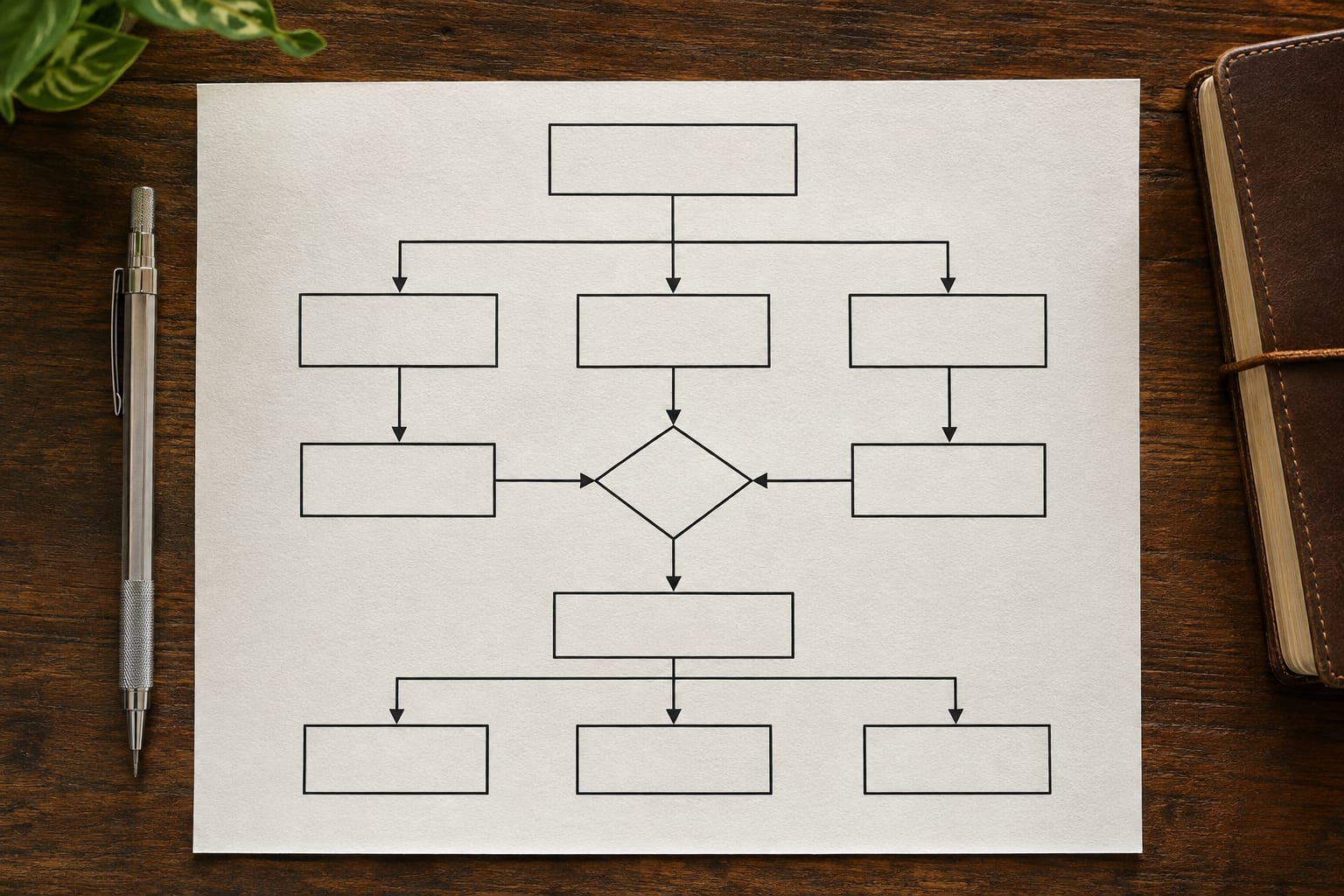
We recommend performing "data cleansing" and "logic alignment" before starting development. This means the enterprise needs to establish a unified communication language, identify key fields, and define conversion rules. Unorganized data will only create greater chaos after integration. We typically assist clients in auditing existing data structures to identify hidden conflict points, ensuring high consistency after connection—the foundation for system integration to deliver real value.
Legacy System Compatibility and Technical Debt
For many stable small and medium-sized enterprises (SMEs), core systems have often been in use for over a decade. These legacy systems might have been developed without API endpoints or even lost their original documentation. When newly acquired AI services or cloud systems need to communicate with these aging servers, they often find themselves speaking different languages.
In such cases, forcibly modifying legacy source code is extremely risky and can lead to the collapse of existing core functions. When addressing these issues, we often adopt a "Middleware" strategy. By establishing a conversion station, data from the legacy system is exported, converted into a modern format, and then transmitted to the new system. This preserves the stability of legacy operations while allowing new technologies to be implemented smoothly. Recognizing the limits of old systems, rather than blindly pursuing a total overhaul, is a key strategy for controlling integration costs.
Overlooking Exception Handling and Information Security
The success of system integration is not judged when things run smoothly, but when they "disconnect." Many integration projects only focus on the data transmission path while neglecting exception handling mechanisms. If the network is unstable or the database loses power temporarily, and order data that should have been transmitted disappears, does the system have an automatic retry mechanism? Will it trigger an alert notification?
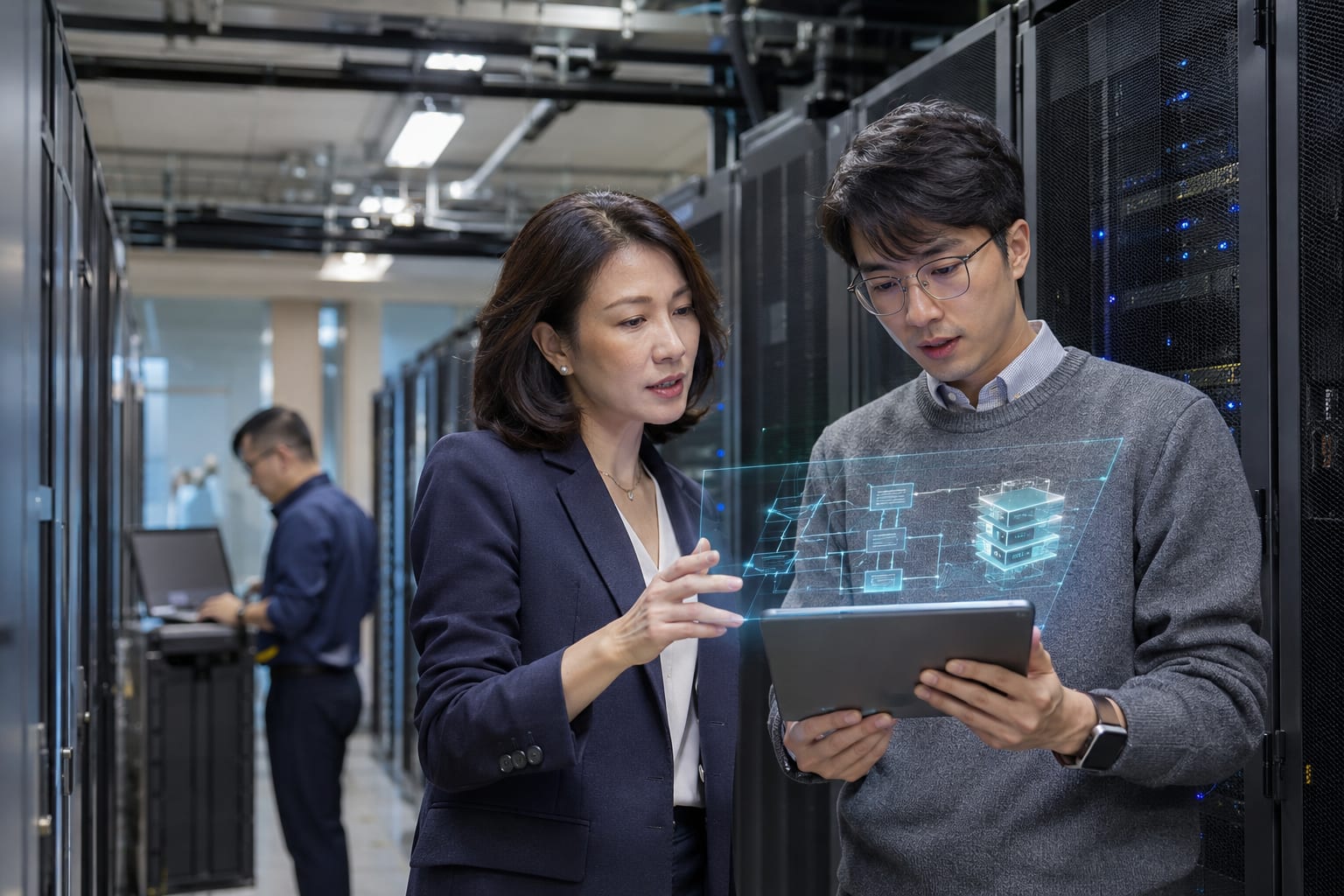
Furthermore, once the thresholds between systems are opened, the cybersecurity perimeter changes. Previously closed internal systems may become vulnerable after connecting with external SaaS software if data circulation lacks encryption or permission controls. When planning integration solutions, we place special emphasis on API authentication and communication logs. We ensure every piece of flowing data is traceable and that only authorized personnel and systems can access information. This is not just a technical issue, but a guarantee of corporate integrity and operational continuity.
System integration is not a simple wiring task; it is a re-evaluation of operational logic. Through precise initial assessment and architectural design, you can avoid recurring development costs and turn information systems into a true catalyst for corporate growth. If you are planning to integrate your internal systems, welcome to contact us