Articles
Protecting SME Digital Assets: Starting with Three Email Security Fundamentals
Oct 3, 2026
Enterprise-ready solutions
Email is the core of most business operations. From transmitting purchase requisitions and contract negotiations to internal administrative directives, email systems carry a vast amount of sensitive business information. However, according to security incident statistics, email is also the link most easily breached by hackers. For SMEs with limited resources, there is no need to chase expensive protection solutions; simply implementing a few key infrastructural measures can significantly reduce the risk of being attacked.
Establishing Email Authentication Protocols
The most common method of email fraud is "impersonation." Hackers forge the email addresses of your partners or even senior executives to issue urgent instructions for transfers or changes to remittance paths. To prevent this, we recommend that enterprises must correctly configure three authentication technologies: SPF, DKIM, and DMARC.
These technologies act like official seals for emails. SPF determines which servers are authorized to send mail on behalf of your domain; DKIM uses digital signatures to ensure email content has not been tampered with during transmission; and DMARC tells the recipient server how to handle mail that fails the first two checks. When these protocols function correctly, it becomes difficult for hackers to easily spoof your company domain, protecting not only customers from fraud but also maintaining your company's brand reputation.
Strengthening Account Login Defenses
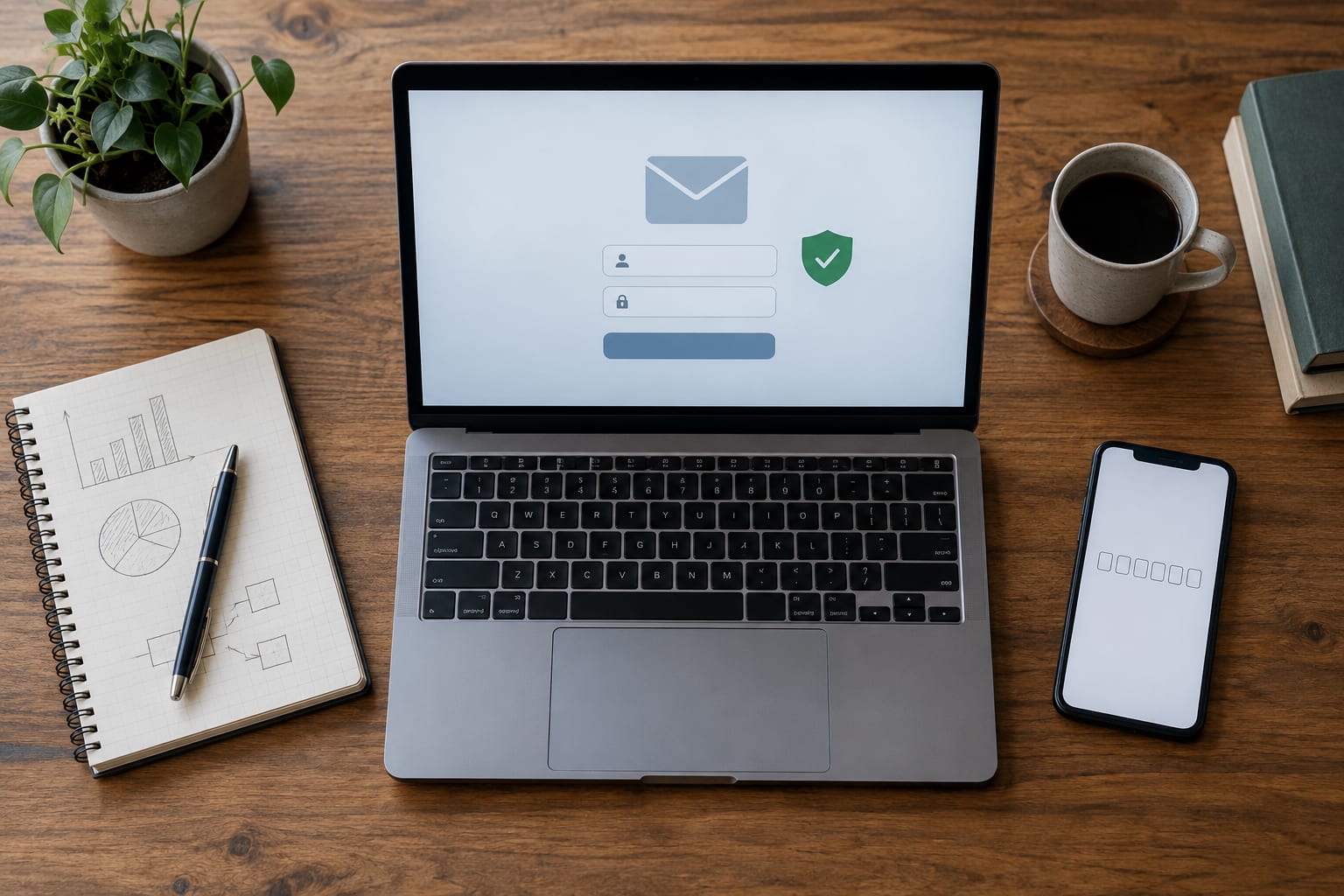
Even with technical defenses in place, password leakage remains a significant risk. Traditional single-password systems are vulnerable to brute force or social engineering. We recommend that enterprises mandate Multi-Factor Authentication (MFA).
Multi-Factor Authentication requires users to provide a second confirmation via a dynamic code generated by a mobile app or a physical security key after entering their password. Even if an employee's password is stolen, hackers cannot easily infiltrate the system due to the lack of a second physical verification factor. This measure is low-cost but effectively blocks over 90% of account hijacking attacks. In the architecture of IT services, integrating MFA with corporate authentication systems is the most direct and effective way to secure operational assets.
Cultivating Employee Prevention Instincts
Even the most advanced firewall cannot stop a manual click. Phishing emails often use psychological traps like "urgent items," "winning notifications," or "system suspension" to lure employees into clicking unknown links or downloading malicious attachments. Once clicked, hidden ransomware or Trojans can penetrate the entire corporate network.
When assisting companies in optimizing their IT environments, we have found that regular cybersecurity drills are more effective than rigid lectures. Through simulated phishing tests, employees learn common modern fraud tactics—such as checking the sender's real email address and hovering over links to view the actual destination URL. Establishing an internal culture of "verify before clicking" is the most important defense network beyond technical means.
Reviewing System Backup and Update Mechanisms
Software vulnerabilities and legacy systems in email servers are also security loopholes. Whether using self-hosted servers or cloud email services, keeping software versions up to date is basic protocol. Outdated code often contains known vulnerabilities that hackers can exploit with off-the-shelf tools. Additionally, regularly backing up email data to off-site locations ensures that even in the event of a ransomware attack, the enterprise retains data recovery capabilities, avoiding operational shutdown crises.
We understand the constraints SMEs face in terms of manpower and technical resources, but information security should not become a barrier to business growth. Through structured reviews and foundational settings, you can create a secure and professional communication environment for your enterprise.
Welcome to contact us