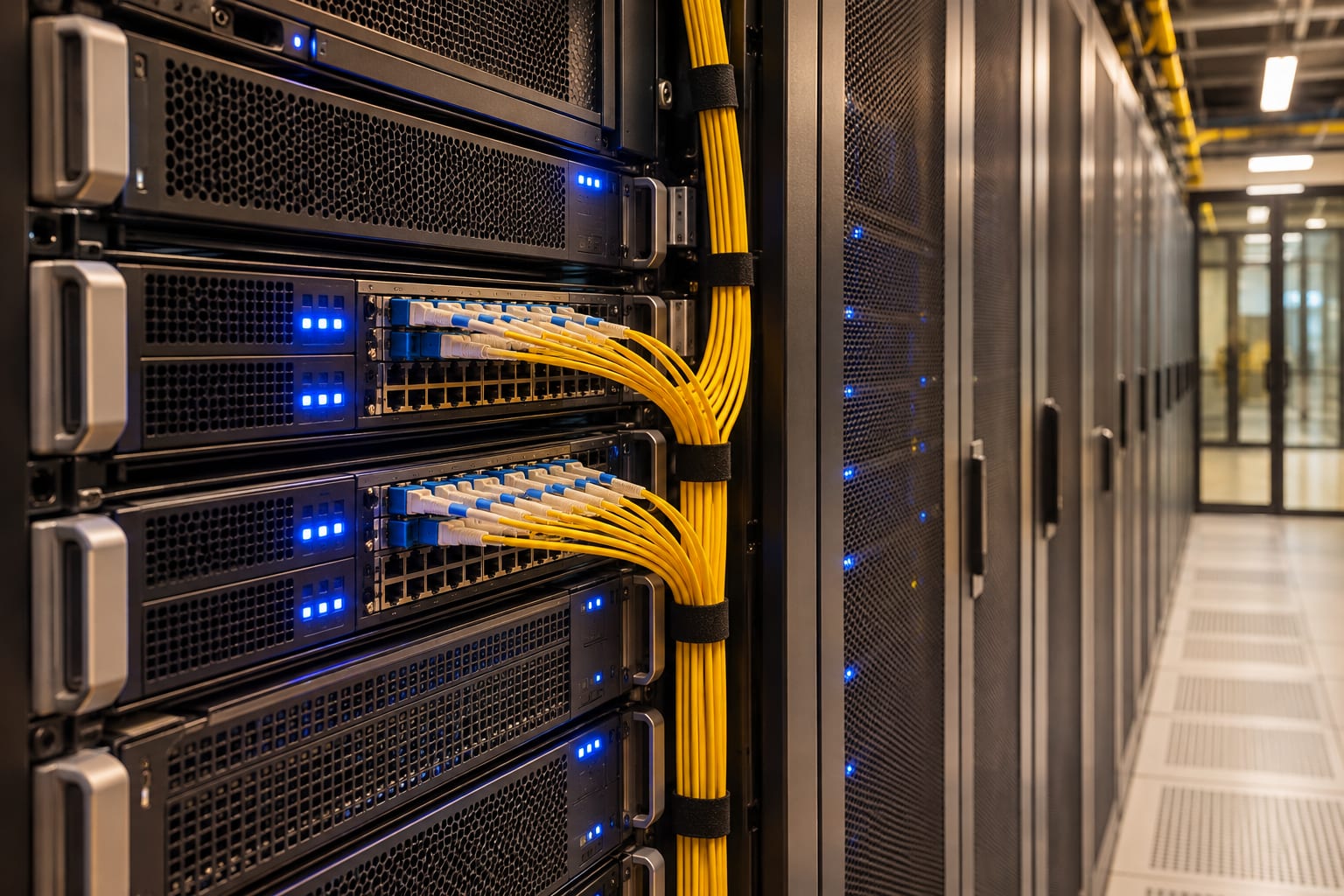
Recent fluctuations in NVIDIA's stock price have garnered significant market attention. For decision-makers in Taiwan's small and medium-sized enterprises (SMEs), this is more than just financial news; it is a bellwether for the global supply of AI hardware resources. When discussing AI applications, the underlying hardware infrastructure—particularly AI servers equipped with high-performance GPUs—is the critical node that determines the speed of an enterprise's digital transformation. We have observed that many companies face dilemmas of insufficient computing power or excessive procurement costs when adopting AI. Therefore, understanding hardware trends and planning ahead is a mandatory course for maintaining long-term competitiveness.
The Business Logic of Treating Computing Power as an Asset
In the past, computer hardware was viewed as an administrative cost subject to annual depreciation; however, in the AI era, computing power should be viewed as a "productive asset." NVIDIA's chips are regarded as a hard currency in the market because most mainstream AI models and development frameworks rely heavily on its CUDA computing architecture. When an enterprise possesses stable AI server resources, it gains the ability to rapidly train models, process massive amounts of data, and perform real-time inference.
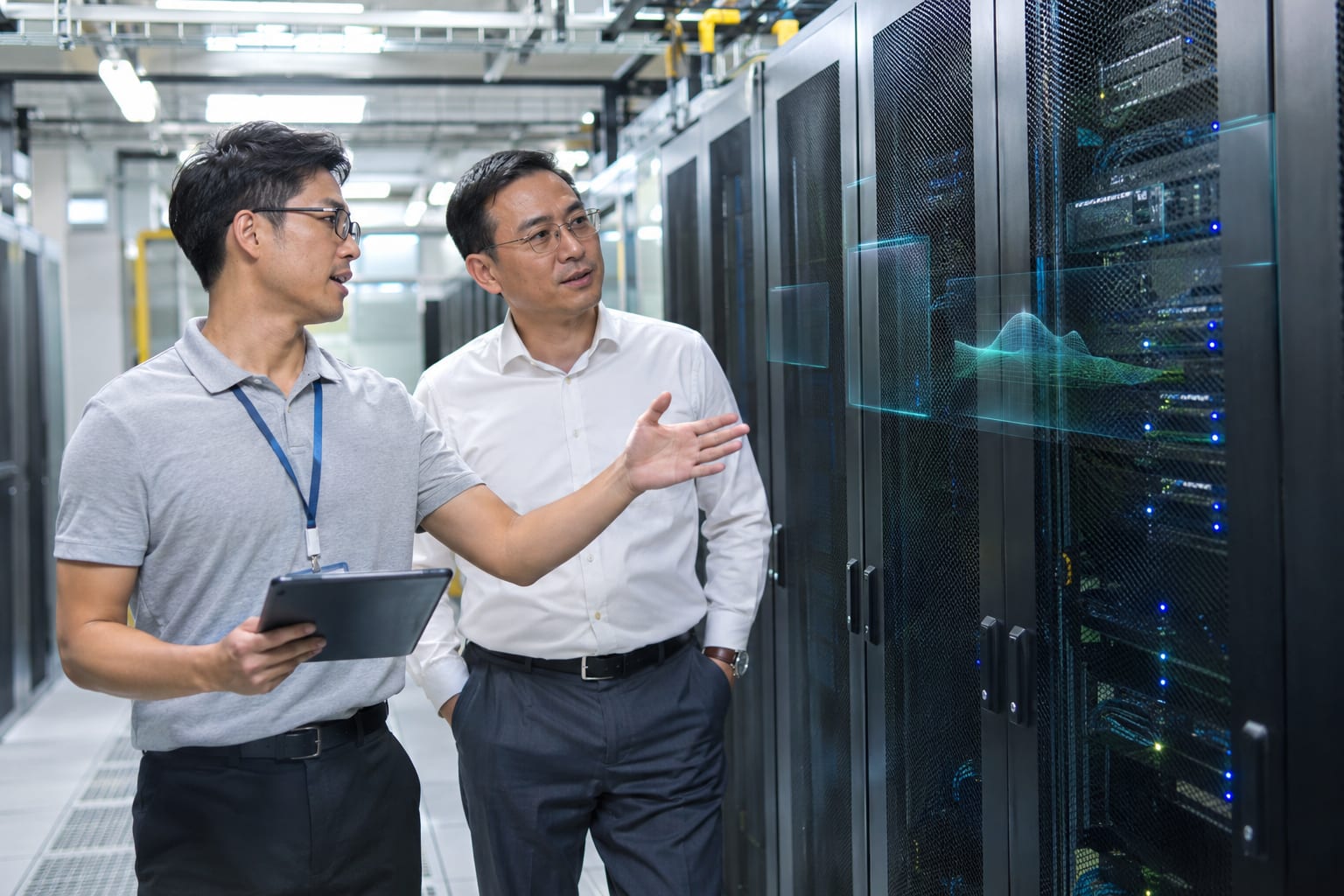
In assisting clients with AI service planning, we have found that establishing internal computing infrastructure not only significantly reduces long-term expenditures on cloud-based AI computing rentals but, more importantly, ensures that core data remains on-premises. For industries such as manufacturing, healthcare, or finance that prioritize cybersecurity and intellectual property, owning an AI server scaled to their business needs is the first step toward building a proprietary Large Language Model (LLM).
Common Pitfalls in AI Server Procurement
Facing NVIDIA's diverse product lines, many decision-makers fall into the myth that "higher specifications are always better." In reality, the deployment of AI servers requires consideration of power consumption, heat dissipation, and compatibility with existing IT architectures. The heat generated by high-performance computing is far greater than that of traditional web servers. If a server room's air conditioning and cooling system has not undergone professional evaluation, even expensive hardware may suffer from thermal throttling, failing to deliver its intended performance.
Furthermore, software integration is key. Purchasing hardware without considering system optimization often leads to resource waste. During our service process, we prioritize assessing the client's specific use case—whether it be image recognition, natural language processing, or pure big data computation. Different application scenarios have varying requirements for GPU VRAM and transmission bandwidth. Accurately matching these needs ensures that budgets are spent effectively, avoiding the pursuit of unnecessary top-tier specs that could lead to cash flow pressure.
Practical Advice for Building a Robust AI System
As the pace of AI technology iteration accelerates, SMEs do not need to purchase top-of-the-line clusters all at once. Instead, they should adopt a "phased expansion" strategy. We recommend that enterprises start with a single-machine, multi-GPU architecture to pilot AI applications in internal process optimization, such as automated report analysis or smart customer service prototypes. Once results are evident, hardware can be expanded horizontally based on business load.
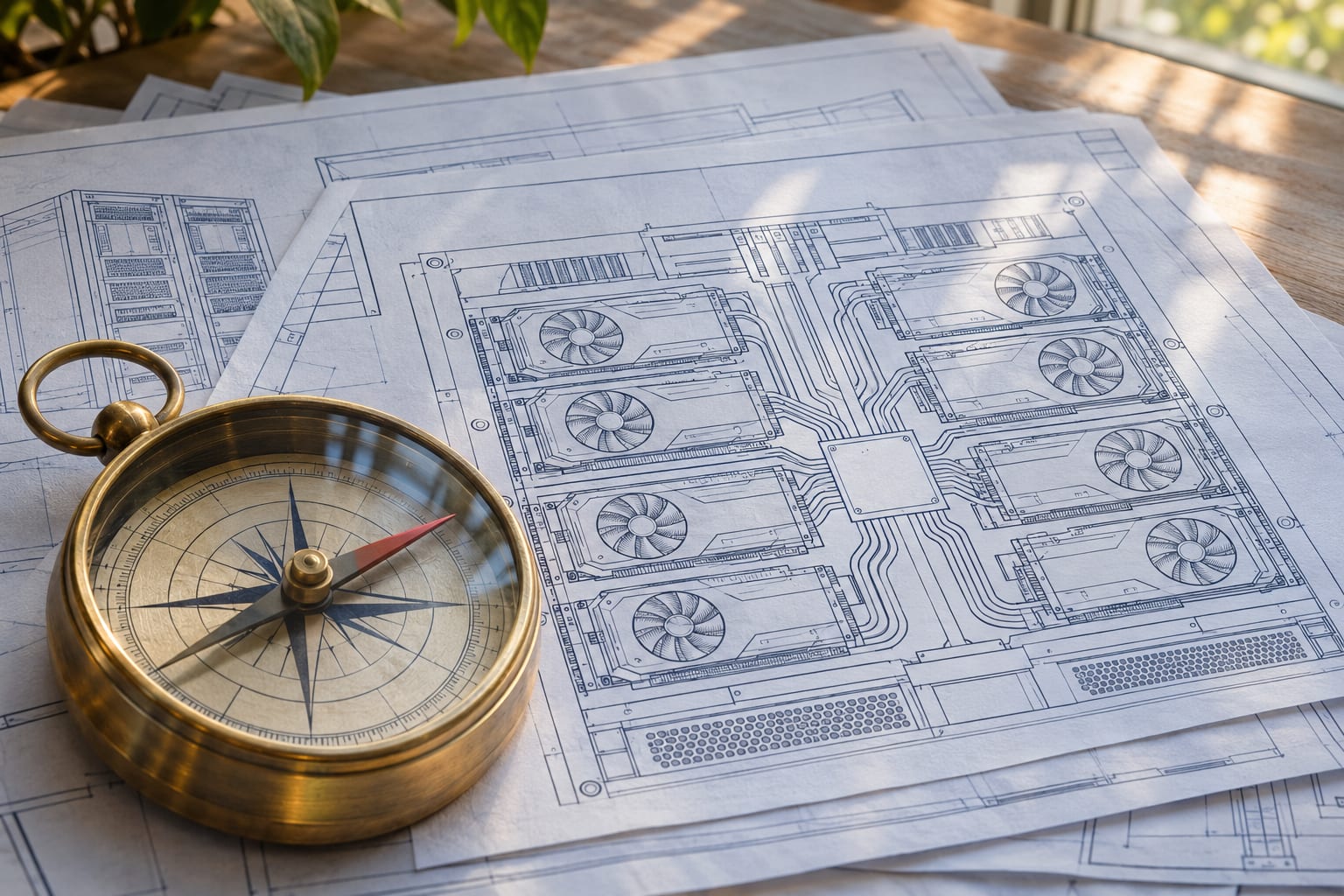
Choosing a partner with professional technical support is equally vital. The maintenance of AI servers differs from general computers; driver updates and library compatibility adjustments require specialized knowledge. We continuously monitor global hardware market changes to provide enterprises with stable hardware sources and subsequent technical support, ensuring your AI projects do not stall due to hardware shortages or technical gaps. In a volatile market, robust hardware assets and professional services are an enterprise's strongest foundation. Welcome to contact us.