For many Taiwanese SME owners, implementing Artificial Intelligence (AI) often sounds like a privilege reserved for large tech giants. However, as technology matures and computing costs are optimized, AI has shifted from a technical barrier to a tool for enhancing competitiveness. In serving many local enterprises, we have found that successful AI transformation is rarely achieved overnight; instead, it begins with small-scale applications addressing specific pain points. For resource-limited companies, choosing the right entry point is more important than pursuing grandiose technical architectures.
Internal Knowledge Base: Reducing Information Retrieval Time
In daily operations—whether it's training newcomers, verifying product specifications, or looking up repair procedures—employees often spend significant time digging through piles of PDF, Excel, or Word files for answers. This "information searching" process is not only inefficient but also prone to communication gaps due to outdated information.
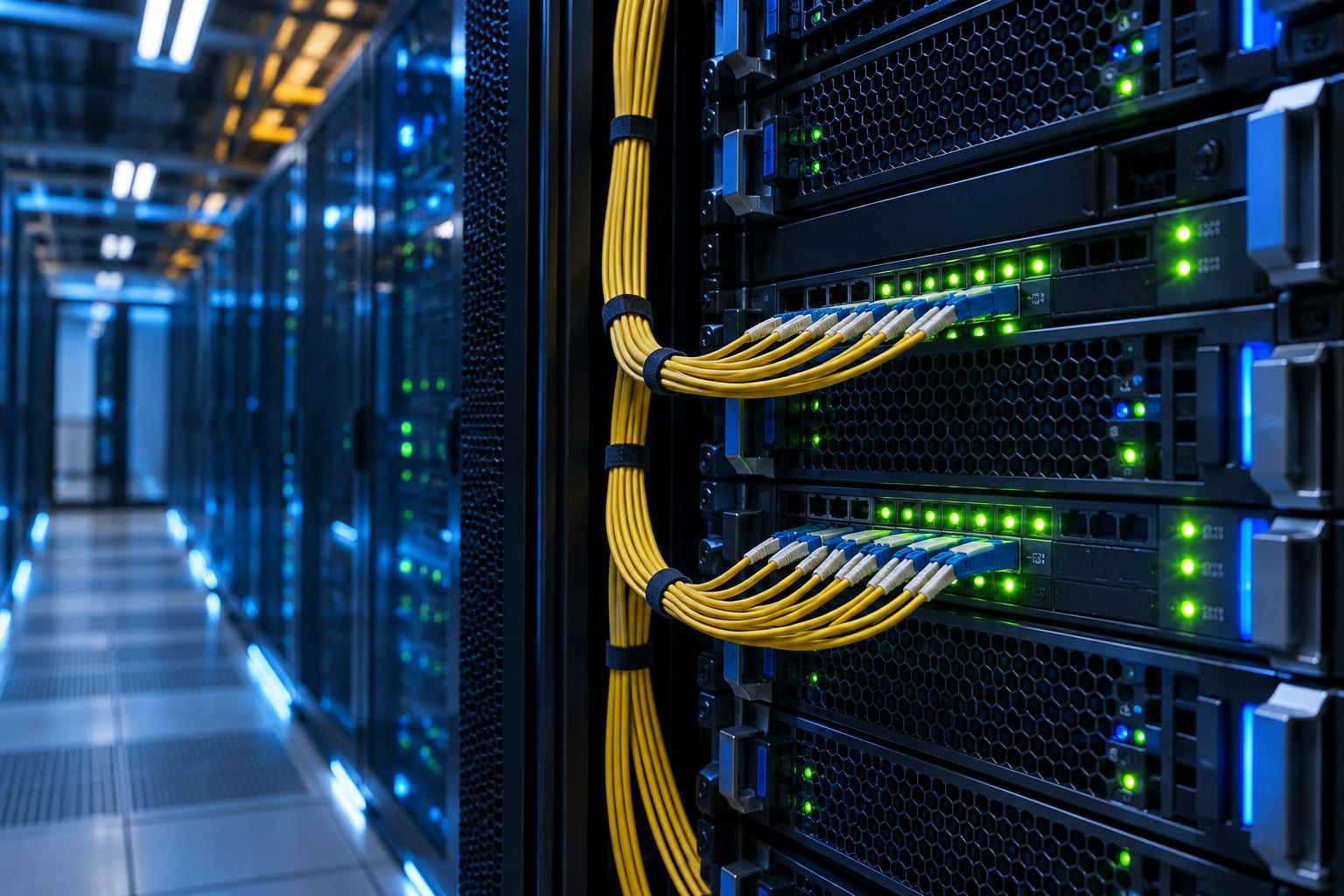
Our first recommended application is an internal knowledge base built on Retrieval-Augmented Generation (RAG) technology. You can upload company regulations, product manuals, and FAQs from over the years to a private AI server, allowing the AI to learn from this internal data. When employees encounter questions, they can simply ask in natural language, and the AI can find the correct answer from thousands of documents within seconds, providing source citations. This type of application significantly reduces administrative burdens and ensures consistency in internal information flow. Since data is stored on company-owned servers, you don't need to worry about core business opportunities or technical documents leaking to the public web, ensuring information security and privacy.
Automated Document Parsing: Reducing Repetitive Administrative Costs
For many traditional manufacturing, logistics, or retail businesses, a large volume of external documents—including invoices, purchase orders, customs declarations, or contracts—must be processed daily. Traditional OCR (Optical Character Recognition) technology often sees a sharp drop in recognition rates for documents with slight layout variations, eventually requiring manual correction.
Modern AI possesses strong semantic understanding capabilities and can handle unstructured documents. By implementing AI services, systems can automatically identify key fields in documents, such as product names, quantities, amounts, and tax rates, and integrate them directly into existing ERP or financial systems. This not only drastically reduces the risk of manual entry errors but also allows colleagues previously tasked with repetitive data entry to focus on more productive tasks like data analysis or customer relationship maintenance. We observe that this type of application is most effective at helping decision-makers see concrete benefits of process optimization in a short time.
Marketing and Content Collaboration: Overcoming Creative Blocks
In the digital social media era, SMEs need to frequently produce engaging marketing content to interact with consumers, but are often limited by headcount, lacking dedicated social media managers or copywriters. This frequently leads to inconsistent posting on official accounts or difficulty in maintaining a unified copy style.

AI shows great advantages in brainstorming and generating initial drafts. You can feed brand tone and past successful campaign cases to the AI as reference materials, allowing it to assist in producing social media outlines, product descriptions, or press release drafts. Marketing personnel only need to refine and localize the AI-generated output to quickly complete high-quality promotional content. This collaboration model can shorten content production time to one-third of the original duration, keeping your brand active in the market and ensuring you don't miss marketing opportunities due to a lack of manpower.
Infrastructure First: Why AI Server Configuration Matters
While considering the above applications, we must also remind you that AI computing requires stable and efficient hardware support. Many companies use public cloud tools for their initial trials, but as the scale of application grows or involves core business data, the advantages of having a dedicated AI server become apparent. Localized AI servers not only provide faster response speeds but, more importantly, allow you to maintain data sovereignty.
We recommend that enterprises evaluate their hardware environment's load capacity while planning AI applications. Whether it's the design requirement for processing large amounts of image generation or knowledge base retrieval that needs to run 24/7, appropriate GPU configurations and network architectures are key to ensuring the AI system remains smooth and uninterrupted. A complete layout from software application to hardware support is the long-term investment that ensures transformation success.
Implementing AI does not require a massive initial investment; rather, it should start from scenarios that yield concrete benefits. If you would like to learn how to evaluate your company's processes, please feel free to contact us