Articles
FedEx Employs DexR Robots for Package Handling: Precision Stacking Replaces Rough Handling!
Oct 17, 2023
Enterprise-ready solutions
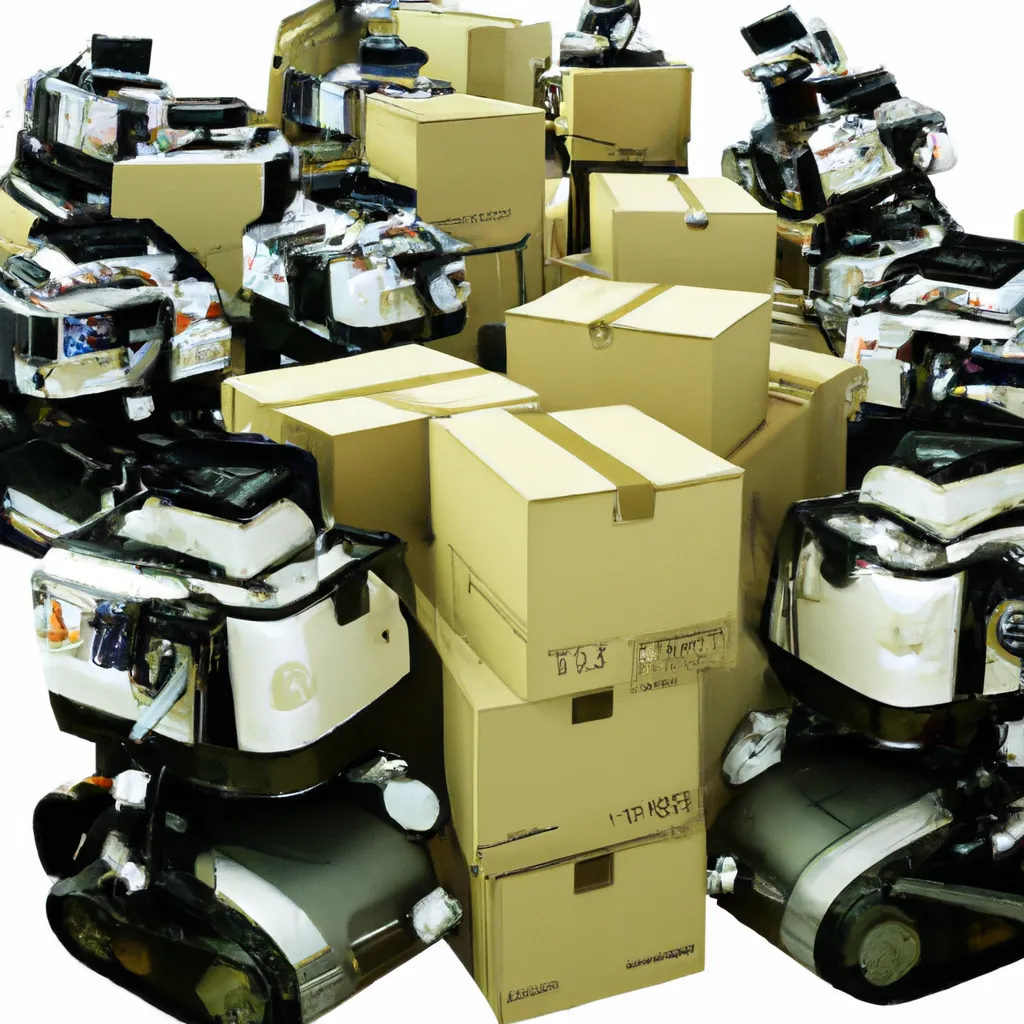
Multinational transportation giant FedEx recently launched DexR, a dual-arm robot integrated with AI technology. This robot possesses the exceptional ability to stack packages of varying sizes optimally within transport trucks while maximizing space utilization. This innovative application reduces the workload for FedEx employees and improves the efficiency of the entire logistics and transportation process.
DexR utilizes cameras and radar sensors to identify the shape of each package. The system then uses force-feedback to plan how to stack these packages in an orderly manner, preventing them from being crushed or falling over.
These packages vary in size, shape, weight, and material, and they appear randomly without a fixed sequence. This means DexR must contend with diversity and uncertainty, requiring high adaptability and intelligence. The technology must be capable of identifying, sorting, and processing packages with various characteristics in real-time, then stacking them optimally to ensure safe transportation. This highlights DexR's outstanding performance in handling complex and variable package scenarios, demonstrating the superiority of AI technology in the logistics and transportation sector, and providing viable solutions for increasing efficiency and reducing risk.
This technology not only improves package handling efficiency but also reduces the risk of cargo damage, making the transportation process more reliable and cost-effective. It also represents cutting-edge innovation in AI and sensing technology within the logistics and transportation fields, paving the way for smarter and more sustainable solutions.
Matthew Johnson-Roberson, Director of the Robotics Institute at Carnegie Mellon University, commented on the development of robotics: "Over the past two years, people have applied increasingly mature AI and robotics technology to commercial applications, and it is starting to prove that this indeed reduces costs and increases efficiency."
Johnson-Roberson observed investments in AI and autonomous vehicles across various sectors and believes more robots will enter the workplace in the future: "The wave of commercial robotics is just beginning to sweep in." This indicates that robotics has not only made significant strides in the lab but is also playing a practical role in commercial applications, boosting productivity and bringing more opportunities to various industries. This also signals that the application of robots will become even more widespread in the future, continuing to transform workplaces and business operations.