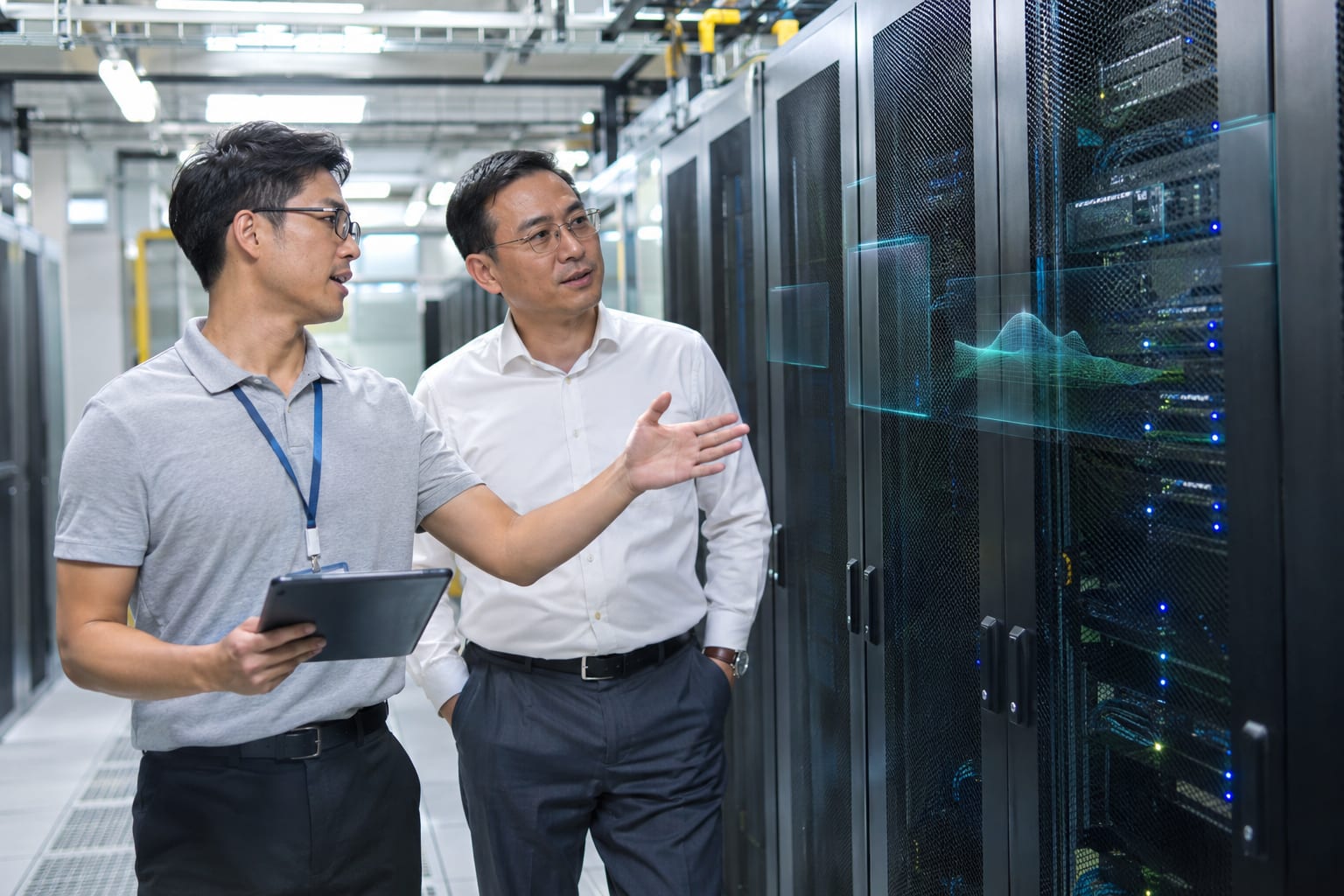
Caregiving is a marathon, and caregivers often face physical exhaustion and high psychological stress. When we talk about Artificial Intelligence (AI), it is not just cold code; it acts as a second pair of eyes for seniors through sensors and powerful backend server computations. These applications require a stable AI server architecture to ensure data transmission and analysis are completed within milliseconds, avoiding delays in critical moments.
Smart Sensing Technology Supported by Backend AI Servers
Stability of infrastructure is the top priority for implementing AI care in homes or institutions. What caregivers see at the front end might just be a lightweight camera or wearable device, but the mechanism behind it is complex. AI servers are responsible for receiving large volumes of high-definition video information and performing instantaneous image analysis. For example, when a senior falls at home, traditional monitors can only record the footage, while a system equipped with AI algorithms can actively identify the "fall" motion and immediately send a message to the caregiver's phone.
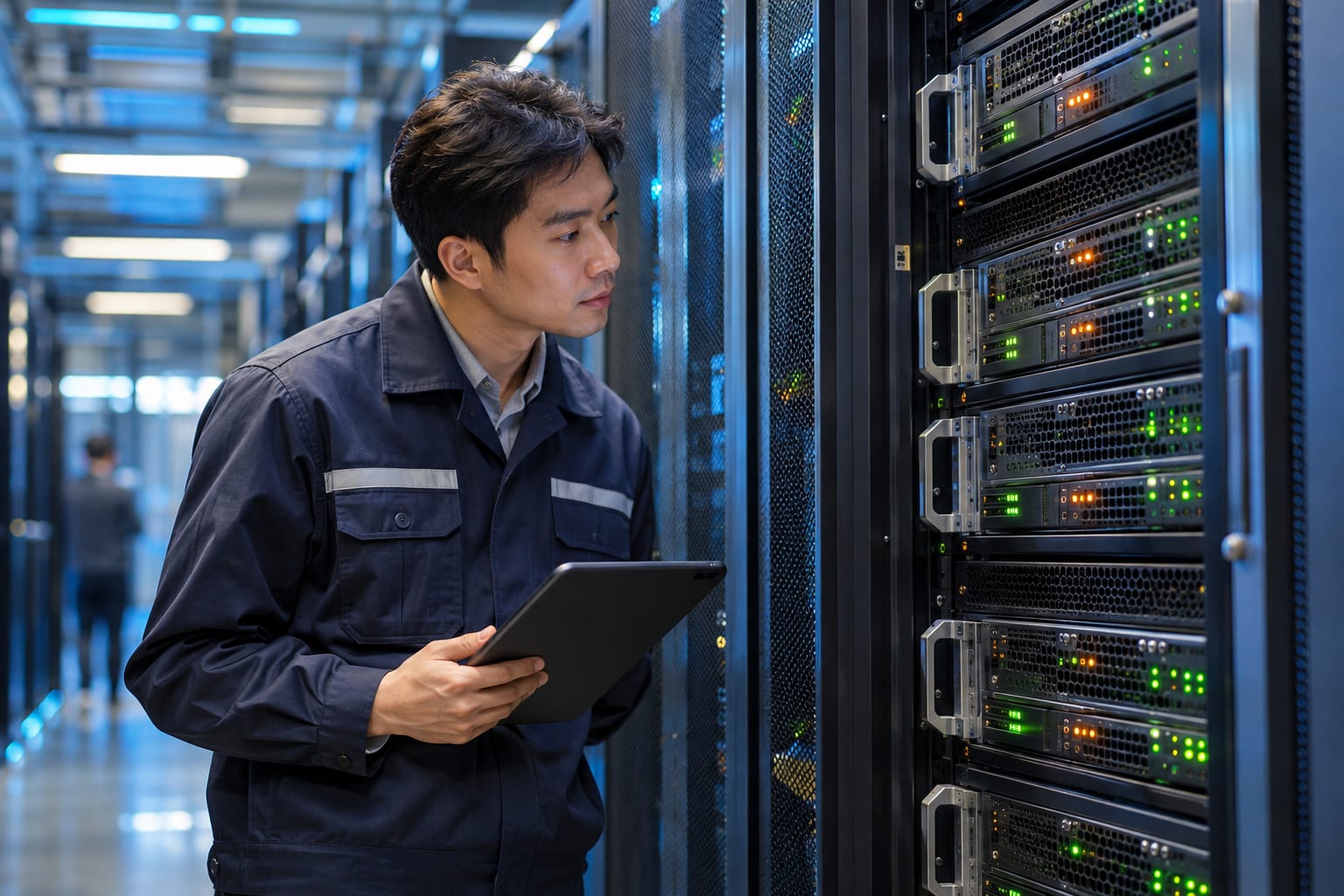
When assisting enterprises in building AI services, we emphasize the real-time nature of data processing. Through high-performance GPU and processor configurations, AI servers can simultaneously analyze sensing data from multiple rooms. This not only reduces the false positive rate but also allows caregivers to avoid staring at screens constantly, shortening response times. When the system detects abnormal patterns such as a senior sitting still for too long or staying in the bathroom for an extended period, it proactively issues alerts. This shift from passive monitoring to proactive early warning is AI's greatest consideration for caregivers.
Daily Applications of Voice Recognition and Natural Language Processing
In addition to visual monitoring, voice technology is key to reducing caregiving burdens. Many seniors are not accustomed to operating smartphones or tablets; this is where voice assistants play a crucial bridge role. Seniors can use simple voice commands in Hokkien or Mandarin to request the system to play music, adjust room temperature, or contact family members. This relies on powerful Natural Language Processing (NLP) capabilities, which also require training and optimization within high-performance server environments.
For caregivers, this significantly reduces the time spent on trivial daily tasks. AI systems can record seniors' voice requests and organize them into daily reports. For instance, did the senior ask the same question repeatedly today, or has the frequency of their speech decreased? These subtle linguistic changes are often early indicators of dementia or emotional fluctuations. The AI services we provide can help organize this fragmented information, allowing caregivers to provide more specific and data-supported observation records for medical professionals during diagnosis.
Health Data Prediction and Personalized Management Solutions
The value of data lies in predicting the future. AI servers can store and calculate long-term physiological parameters of seniors, such as blood pressure, heart rate, and sleep quality. Through machine learning models, AI can identify each senior's unique "health baseline." When data deviates from the norm, even if it hasn't reached the level of illness, the system can provide alerts, suggesting that caregivers intervene early. Such preventative measures can effectively reduce the probability of hospitalization due to acute conditions, thereby lowering subsequent care costs and pressure.
In daily medication management, AI visual recognition can confirm whether seniors are taking their medication correctly and automatically record the types of medicine packs and timing. For small to medium-sized care facilities that need to care for multiple seniors, these automated IT services can save a lot of manual verification time, allowing staff to focus their energy on more humanistic companionship. We understand that every client's needs are different, so when providing AI servers and related services, we optimize for specific application scenarios to ensure technology truly lands. You can contact us to learn more about customized solutions.