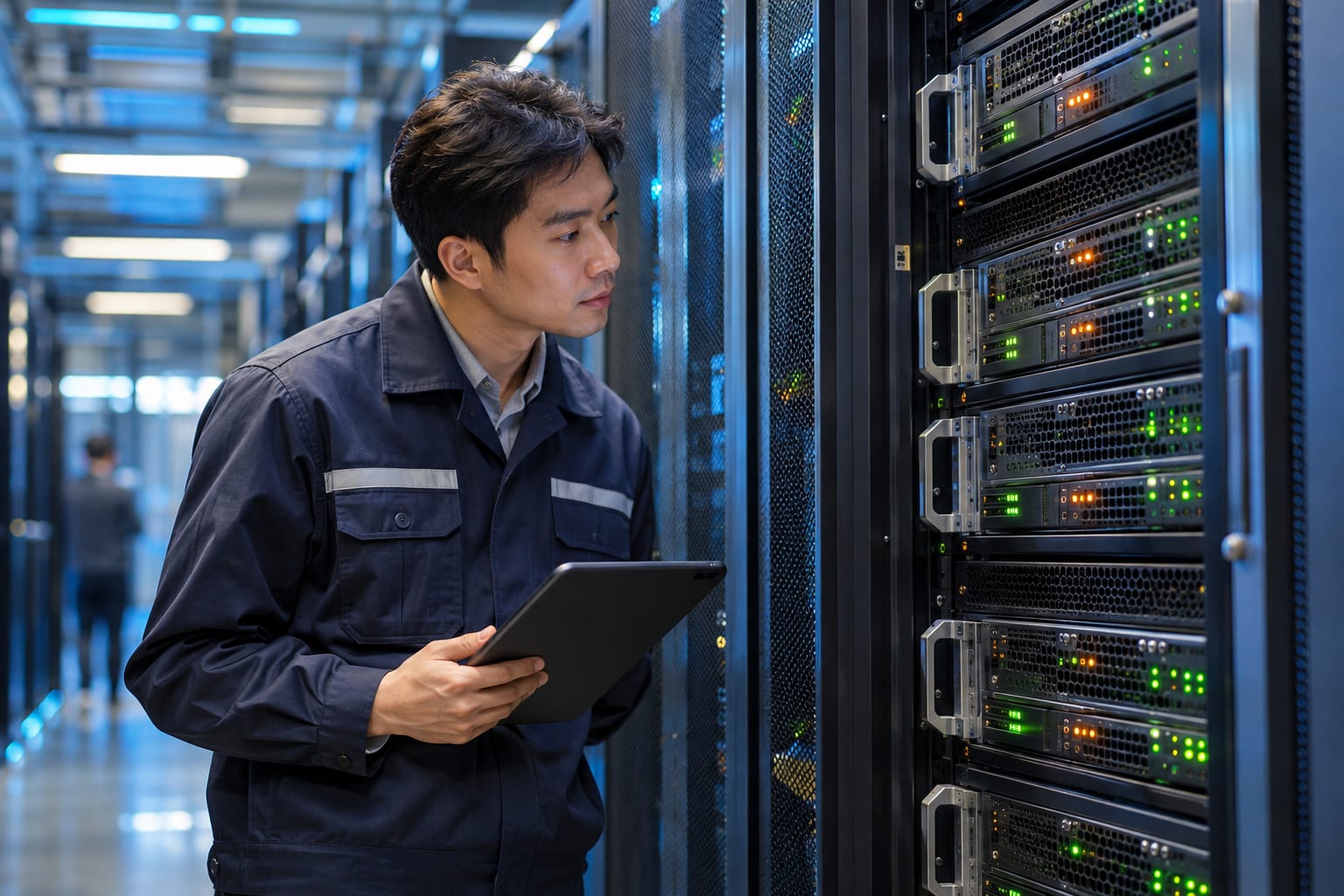
In the process of digital transformation, AI is no longer an option but a necessary tool to maintain competitiveness. However, when decision-makers prepare to invest resources, the first dilemma they usually encounter is: Should we lease cloud services, or should we purchase servers to be placed in-house? This choice not only affects initial budget allocation but also has profound implications for the company's future security defenses and maintenance costs.
Cloud AI Services: A Shortcut to Rapid Startup and Flexible Expansion
For SMEs just starting with AI, cloud services (such as AWS, Azure, or Google Cloud) are highly attractive. The primary advantage is the "low entry barrier"; you don't need to pay expensive hardware costs upfront, and you don't have to worry about power and cooling issues in a data center. Through a subscription model, enterprises can pay based on current usage, which is categorized as operating expenditure (OPEX) in accounting, effectively easing cash flow pressure.

Another advantage of cloud services is "speed." If you want to test a new AI project, you can have powerful computing capabilities within minutes with just a few clicks on the platform. When the project scales, cloud platforms can allocate more resources at any time. This flexibility is difficult for traditional on-premise deployments to match. However, the cloud is not perfect. As computing volume increases, the monthly accumulated rental costs can become staggering. Furthermore, transmitting a company's core data to third-party servers often raises compliance concerns for industries that prioritize security or are regulated by government laws (such as finance and healthcare).
On-Premise AI Servers: Mastering Data Sovereignty and Long-term Cost Advantages
Compared to the cloud, on-premise deployment refers to setting up dedicated AI servers within the company's internal data center. It is like the difference between buying and renting a house. Although it requires an initial capital expenditure (CAPEX), including server hardware, network equipment, and environmental setup, in the long run, for enterprises with stable computing loads, the Total Cost of Ownership (TCO) for on-premise deployment is usually lower.
"Data sovereignty" is the core value of on-premise deployment. All confidential technology, customer information, and training data are stored within the company's firewall and do not need to be transmitted over the external network, significantly reducing the risk of data leaks. For enterprises that need to process ultra-large files (such as high-resolution image recognition), on-premise deployment can save a significant amount of network bandwidth and latency, ensuring real-time and stable computing processes. When assisting clients with planning, we have found that if AI computing tasks run 24/7, owning your own servers typically allows for cost recovery within 18 to 24 months, with subsequent expenses limited to electricity and basic maintenance.
Three Pillars of Decision-Making: Data Sensitivity, Computing Load, and O&M Manpower
When evaluating the right solution, we recommend assessing from the following three dimensions. The first is "data sensitivity." If your AI model needs to process data involving patents, trade secrets, or legally protected personal information, on-premise servers are a safer choice. We have encountered many manufacturing clients who insist on keeping AI computing within the factory to protect production line yield rate data.

Second is the "stability of computing load." If your AI needs are seasonal or involve short-term projects, cloud services provide the best risk mitigation. However, if you have determined that AI will become the core of daily operations—such as performing tens of thousands of automated defect inspections daily—the performance and stability of on-premise servers will better align with business logic. Finally, there is "technical manpower." On-premise servers require professional personnel for hardware monitoring and software updates. If the company lacks internal IT staff, collaborating with professional IT services partners or adopting managed cloud services is a more practical approach.
Hybrid Cloud Architecture: A Modern Choice Combining Flexibility and Security
Currently, many enterprises choose a "Hybrid Cloud" model as a compromise. Non-sensitive R&D testing is placed in the cloud to utilize its powerful scalability for initial model training; once the model matures and enters the formal production stage, the computing tasks are transferred back to internal on-premise servers to ensure data security and reduce long-term costs. This approach allows enterprises to maintain flexibility while still retaining control over critical digital assets.
We understand that every enterprise has different resources and goals, and there is no standard answer. Whether you choose the lightness of the cloud or the robustness of on-premise, the key lies in finding the balance that best fits your current operational stage. If you are considering how to configure your enterprise's internal AI computing resources, feel free to Contact us.