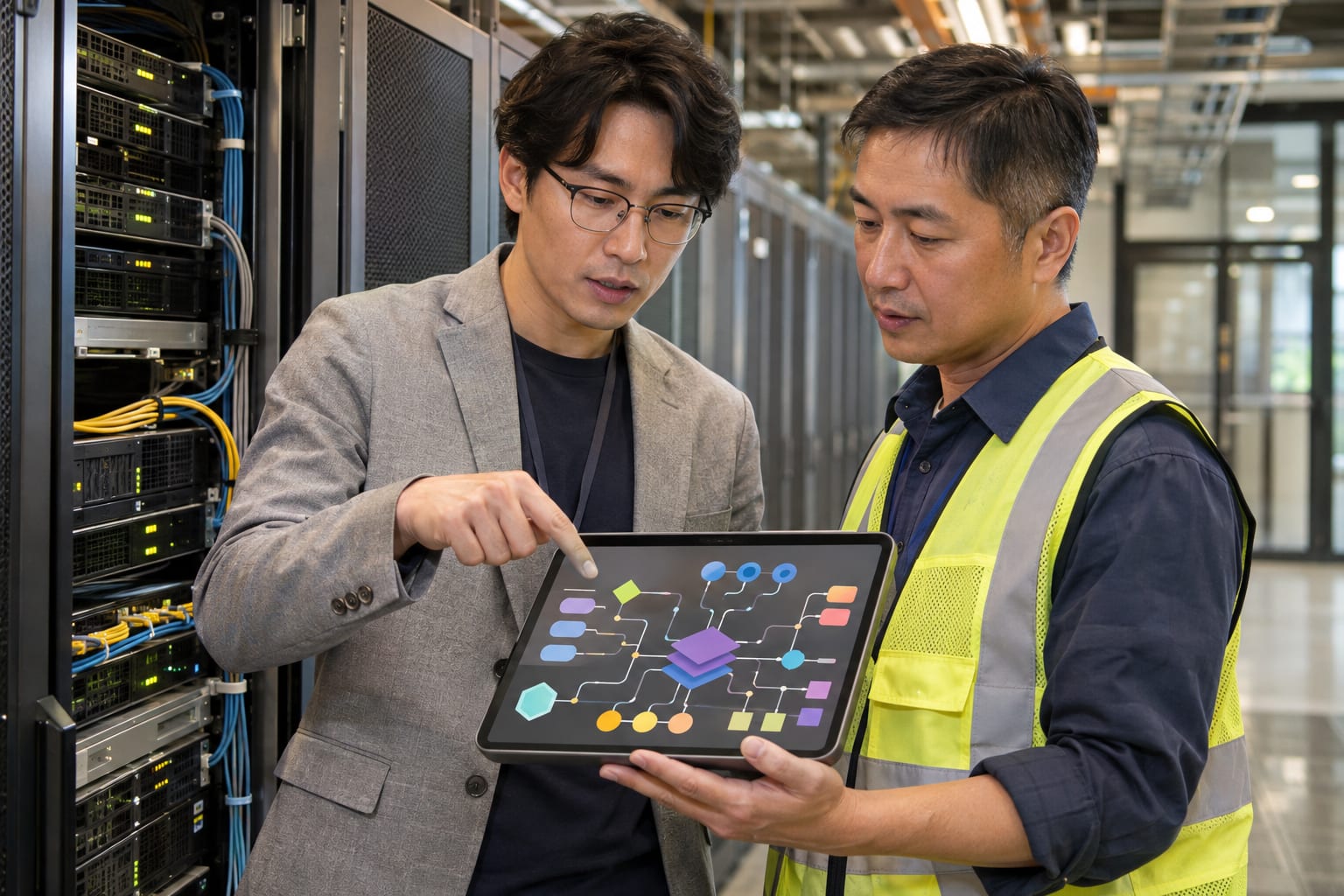
As enterprises grow, IT systems built in the past often become heavy technical debt due to outdated technology, discontinued vendor support, or the inability to integrate new functions. These legacy systems are not only slow but also carry high maintenance costs and potential cybersecurity threats that act as invisible landmines for operations. For SMEs with limited resources, system replacement is a major decision that requires a rigorous evaluation process to mitigate risk and ensure return on investment (ROI).
Evaluating Maintenance Costs and Operational Risks
The first step in evaluation is calculating the "Total Cost of Ownership" (TCO). This includes not only the annual maintenance fees paid to software vendors but also hidden costs. For example, reduced employee productivity due to low system performance or restricted workflows because old systems cannot connect to modern mobile devices. We recommend auditing the resources spent over the past year on system downtime, patching errors, or searching for maintenance personnel with legacy technical skills. Furthermore, cybersecurity risk is a critical indicator that cannot be ignored. If the operating environment of the existing system no longer provides security updates, the data loss and reputational damages faced by the enterprise in the event of a security incident are often much higher than the cost of building a new system. Quantifying these risks with concrete data helps you determine if a system has reached its end-of-life.

Reviewing the Gap Between Existing Systems and Operational Goals
The value of a system lies in its ability to support business growth. As markets change, enterprises may need to implement AI analysis, automated processes, or cross-platform data integration, while the closed architecture of legacy systems often becomes an obstacle to these innovations. When assisting clients with evaluations, we prioritize observing whether system functions still align with current workflows. If employees must frequently export system data to Excel for secondary processing, or manually re-enter data across different systems, this is a signal of a gap between system functionality and practical needs. An ideal modern system should possess high flexibility, interface with different API standards, and achieve automation of information flow across departments. If the existing system limits the company's operational efficiency or innovation capabilities, replacement becomes highly necessary.
Formulating Data Migration and Technical Paths
Once the need for replacement is confirmed, the core challenge lies in "how to migrate safely." Years of accumulated customer data, transaction records, and historical reports are the core assets of an enterprise. During the evaluation process, it is essential to confirm whether the legacy system's database architecture can be fully parsed and to establish data integrity verification mechanisms after migrating to the new system. This is not just a technical issue but involves the redefinition of business rules. We recommend adopting a phased or parallel operation strategy to ensure sufficient buffer space during the transition between old and new systems. Additionally, the choice of technical path must be considered: whether to move to cloud SaaS, re-develop a proprietary system, or implement off-the-shelf software. Each choice has different impacts on operational flexibility and budget expenditures for the next five years, requiring a trade-off based on the enterprise's technical capabilities and budget allocation.

Ensuring Future Scalability for the New System
Finally, replacing a system should not just solve current pain points but should also lay the groundwork for the next five or even ten years. The new system architecture should take into account cloud integration capabilities and standardization of data exchange. Modern IT services emphasize modular design, which means that when the business scale expands or new AI modules are needed in the future, upgrades can be achieved through components rather than a complete overhaul. When evaluating solutions, one should understand the prevalence of the underlying technology and the vendor's long-term maintenance plan. Choosing a system with good scalability and openness allows information investment to transform into momentum that continuously drives the enterprise forward, rather than becoming the start of the next technical debt. We are committed to accompanying enterprises through this transformation journey, providing pragmatic and professional consulting support from architectural diagnosis to implementation.
Welcome to Contact Us